


From Overgrown to Outstanding: Garden Makeover Starting Points
Posted on 28/05/2025
From Overgrown to Outstanding: Garden Makeover Starting Points
A tangled, overgrown garden can feel overwhelming to tackle, but with the right strategy, you can transform your property into a lush, vibrant retreat -- and add valuable curb appeal. Whether you're a new homeowner, a gardening enthusiast, or simply ready to reclaim your outdoor space, this guide will provide the essential steps to begin your garden makeover journey. Read on for expert tips, creative ideas, and actionable advice to start your path from wild to wonderful!
Why Start With a Garden Makeover?
Restoring an unruly landscape offers substantial benefits. Beyond the obvious boost in visual appeal, a well-planned garden transformation can:
- Increase your home's value and desirability
- Support local biodiversity by attracting beneficial pollinators
- Reduce maintenance over time with the right foundation
- Provide a relaxing and functional outdoor living space
No matter the initial condition of your plot, these garden makeover starting points will put you firmly on the path to a thriving and sustainable outdoor haven.

Assessing Your Overgrown Garden
Before diving in with pruners, take time to thoroughly assess the space. This critical step ensures your garden redesign builds on your yard's natural strengths and addresses its unique challenges.
1. Walk the Space and Take Notes
- Map the garden: Sketch your yard on paper, noting sun exposure, slopes, and existing hardscape features.
- Identify problem areas: Look for invasive species, dead plants, poor drainage, or structural hazards like broken fences or steps.
- Photograph each angle to help visualize your future landscape renovation.
2. Evaluate Soil and Drainage
Healthy soil is the foundation of every successful garden makeover. Use these techniques:
- Perform a soil test using a home kit or local extension service.
- Check for compacted earth and water pooling after rainstorms.
- Note any erosion or bare areas in need of amending.
3. Assess Existing Plants
Not every plant in an overgrown yard will be worth saving. Evaluate:
- Mature shrubs and trees that add structure and value
- Weeds, invasive species, or diseased plants that must be removed
- Self-seeded natives or perennials you may want to keep
Clearing and Cleaning: The First Crucial Steps
Once you've surveyed the landscape, begin cleanup. This phase is rewarding: every branch trimmed and weed pulled brings you closer to your dream garden.
1. Remove Large Debris and Weeds
- Start with the biggest obstacles: fallen branches, dead shrubs, or broken furniture.
- Wear gloves and use the proper tools to avoid injury.
- Dispose of green waste responsibly, composting when possible or using a municipal collection service.
2. Prune Overgrown Shrubs and Trees
Good pruning both enhances curb appeal and improves plant health:
- Trim dead, damaged, and crossing branches.
- Shape hedges for a neater look and improved sunlight penetration.
- Consider hiring an arborist for large or mature trees.
3. Clear Weedy Areas Safely
- Use a digging fork or hoe to remove stubborn weeds by the roots.
- Avoid chemical herbicides if possible -- try organic or manual removal first.
- Mulch bare soil to suppress regrowth and stabilize the area.
Design Fundamentals for an Outstanding Makeover
With your canvas cleared, it's time to plan your garden transformation. Strategic design will elevate your outdoor space from average to extraordinary.
1. Define Zones and Pathways
Break your yard into purposeful areas:
- Entertaining zones: patios, decks, or outdoor dining areas
- Quiet retreats: shaded benches, reading nooks, or water features
- Functional corners: vegetable beds, tool sheds, or compost bins
- Paths to connect zones and prevent damage from foot traffic
2. Choose a Cohesive Theme
Great garden makeovers usually follow a theme or style, which helps guide plant and decor choices:
- Cottage garden: Dense plantings, informal paths, and colorful blooms
- Modern minimalist: Clean lines, structural shrubs, and hardscaping
- Wildlife-friendly: Native plants, pollinator beds, and water sources
- Edible landscapes: Mixed ornamental and productive beds
3. Prioritize Plant Selection
Pick plants that will thrive in your climate and suit your lifestyle:
- Choose a mix of evergreens, perennials, and annuals for year-round interest.
- Favor native species for low-maintenance and ecological benefits.
- Select different heights and textures to add drama and depth.
4. Incorporate Hardscape Elements
- Lay paths of gravel, stone, or recycled bricks for easy access and definition.
- Add raised beds or border edging to keep plantings tidy.
- Install a focal point like a birdbath, bench, or sculpture.
Essential Tools for Your Garden Overhaul
The right tools make even massive tasks manageable. Begin your garden revival with these essentials:
- Pruning shears and loppers for branches and shrubs
- Spade, digging fork, and trowel for soil work
- Wheelbarrow or yard cart for hauling debris
- Rake and sturdy gloves for general tidying
- Soil amendment materials (compost, mulch, sand, etc.)
- High-quality garden hose or soaker system for watering new plantings
Common Challenges When Reclaiming Overgrown Gardens
Every outdoor transformation presents obstacles, especially if the garden has been neglected. Understanding typical challenges will help you avoid frustration and stay motivated.
1. Dealing With Stubborn Weeds and Invasives
- Persistence is key: Remove all roots, and check back regularly for regrowth.
- Plant dense groundcovers or lay thick mulch to outcompete new weeds.
2. Managing Poor or Depleted Soil
- Work organic matter into the topsoil to improve fertility and structure.
- Consider raised beds where soil is badly compacted or contaminated.
3. Reviving Neglected Lawns
- Mow high, overseed, and fertilize to restore lushness.
- Replace patchy grass with low-maintenance alternatives like clover or wildflowers.
4. Addressing Drainage and Erosion Issues
- Install French drains or swales if water pools after rain.
- Plant deep-rooted grasses or groundcovers to anchor soil on slopes.
DIY vs. Professional Help: Which to Choose?
Some garden makeovers can be achieved with time, determination, and DIY spirit. Others -- such as large tree felling, major excavation, or complex stonework -- may require the expertise of a landscape professional. Consider your budget, timeline, and desired features before deciding.
- DIY: Suitable for routine cleanup, planting, mulching, and light construction.
- Professional landscaping: Recommended for structural changes, sophisticated designs, or if you're short on time.
Ideas for Quick and Impactful Garden Upgrades
While a full garden transformation may take months, some improvements can create an almost-instant visual boost:
- Install statement containers or planters at entry points
- Add a fresh layer of mulch around beds and under trees
- String outdoor lighting for evening ambiance
- Place new bird feeders or baths to invite wildlife
- Refresh borders with colourful, fast-growing annuals
Maintaining Your New Garden: Keep it Outstanding!
A successful landscape renovation is only the beginning. Keep your new garden looking its best with these regular maintenance routines:
- Weed and deadhead plants weekly
- Prune shrubs as needed to maintain shape and health
- Reapply mulch each season to conserve moisture
- Fertilize and water according to plant needs
- Refresh annuals and reseed lawns as needed
Eco-Friendly Garden Makeover Tips
Consider the environment as you redesign your space. Sustainable gardening decisions can reduce waste, save water, and foster wildlife.
- Opt for native and drought-tolerant plants to reduce water use
- Install a rain barrel to harvest and reuse rainwater
- Compost all garden debris and kitchen scraps
- Avoid synthetic pesticides and fertilizers in favor of organic options
- Create habitats with piles of logs, rocks, or pollinator hotels
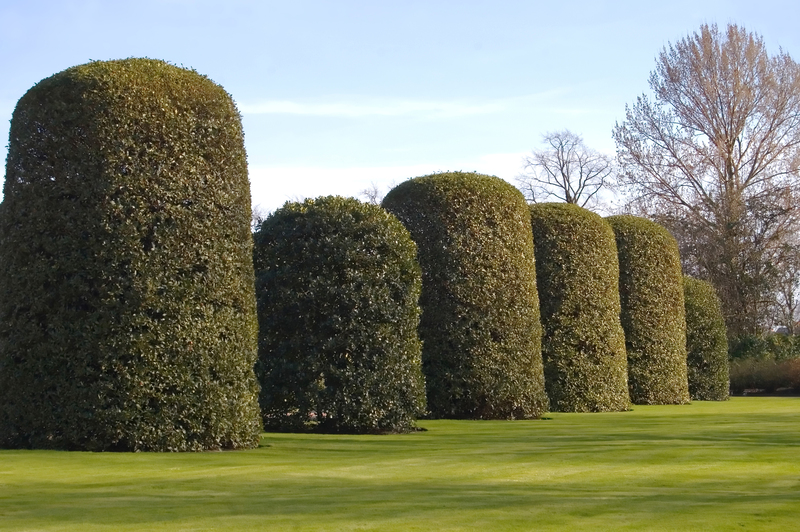
Before and After: Real-Life Garden Makeover Stories
A picture (before and after) is worth a thousand words! Draw inspiration from fellow gardeners who have turned weedy, overgrown yards into remarkable retreats:
- The Wild Meadow Revival: Formerly smothered with brambles, now bursting with native wildflowers and buzzing with pollinators
- Urban Oasis: Concrete and weeds replaced with raised beds, cozy seating, and privacy screens of bamboo and hydrangea
- Family-Friendly Haven: Overgrown grass tamed, old swings restored, and a vegetable patch planted for homegrown meals
*Tip: Document your progress with photos--you'll be amazed at how far you've come!
Conclusion: Tame the Chaos, Grow Your Outstanding Paradise
Every outdoor space holds promise, no matter how unfairly neglected it may appear. With a practical plan and a little inspiration, you can reclaim your overgrown garden and turn it into an outstanding sanctuary. Start with an honest assessment, follow the crucial stages of clearing and planning, introduce thoughtful design, and maintain your new haven with care.
Remember: a garden makeover is a journey, not a race. Take the first steps today, and soon you'll be enjoying the beauty, tranquility, and pride of a rejuvenated yard.
From overgrown to outstanding -- your garden transformation starts right now!
Latest Posts
Adaptable strategies to mitigate wind in your garden
Compost Chronicles: The Art of Organic Waste into Fertile Soil
Comprehensive Guide to Shielding Your Garden from Weather Damage

Jackie's proficiency as a professional gardener stems from her organizational aptitude and meticulous attention to detail. As an author, her expertise has played a pivotal role in helping many individuals appreciate their stunning gardens.
