


Gardeners Swiss Cottage tips for Belsize Park mews gardens
Posted on 03/11/2026
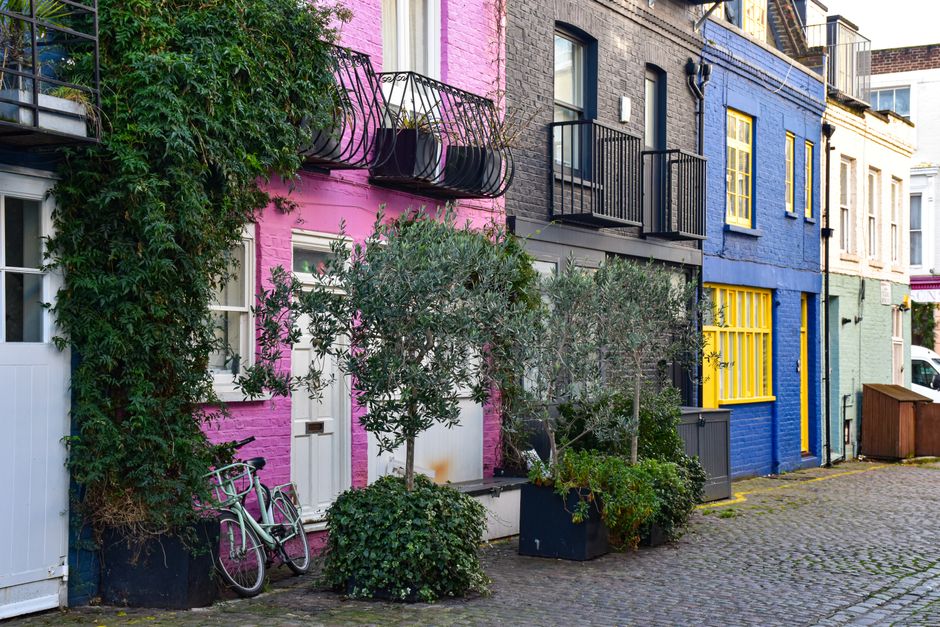
Belsize Park mews gardens can be charming, but let's be honest, they can also be a little awkward. Narrow plots, shared boundaries, patchy light, overlooked corners, and that constant London balancing act between privacy and planting all need a careful hand. That is exactly where Gardeners Swiss Cottage tips for Belsize Park mews gardens become so useful: they help you make the most of a compact outdoor space without turning it into a maintenance headache.
In a mews setting, every square metre matters. The right planting structure, the right materials, and the right seasonal routine can make a tiny garden feel calm, private, and surprisingly generous. In this guide, you will find practical advice for layout, planting, screening, drainage, maintenance, and the day-to-day realities of keeping a mews garden looking good through the year. A few ideas are simple, a few are more strategic, and some are the sort of thing people only learn after a season or two of trial and error.
Why Gardeners Swiss Cottage tips for Belsize Park mews gardens Matters
Mews gardens in Belsize Park tend to share a few features: they are compact, often enclosed by brick or rendered walls, and sometimes exposed to odd pockets of shade or wind. That combination looks elegant, but it can be tricky for plants. Soil can dry out quickly in summer, stay cold in winter, and lose nutrients faster than you would expect. You also get practical concerns like access, privacy, drainage, and the need to keep the space tidy without visiting it every day.
So why does a local, tailored approach matter? Because a standard "one-size-fits-all" garden idea usually falls apart in a mews. A planting plan that works in an open suburban plot may be too thirsty, too tall, or too messy for a tucked-away courtyard. The better approach is to work with the site rather than fight it. That means using structure, choosing plants that suit the light, and making the garden feel intentional even when space is limited.
It also matters because small gardens are highly visible. In a mews, you can often see the whole garden at a glance. That is lovely when everything is working, but it also means weeds, tired pots, sagging climbers, and water stains show up fast. A little planning goes a long way.
If you are thinking about long-term upkeep as well as first impressions, it can help to explore broader maintenance ideas too, such as the advice in low-cost ideas for a low-upkeep garden and the more seasonal guidance in shielding your garden from weather damage.
How Gardeners Swiss Cottage tips for Belsize Park mews gardens Works
The basic idea is simple: design from the edges inward. In a mews garden, the boundary walls, fences, paving, and vertical surfaces often have more visual weight than the planting bed itself. If those edges are sorted first, the whole space feels calmer. After that, you layer in plants and features that suit the light, footfall, privacy level, and maintenance budget.
In practice, this means thinking in five parts:
- Structure: what holds the garden together, such as paths, screens, borders, and seating.
- Function: how the space is used, whether for quiet coffee, dogs, children, entertaining, or all four on a Saturday afternoon.
- Planting: which plants can cope with the conditions without demanding constant rescue.
- Water management: how rain and irrigation move through the space.
- Seasonal upkeep: what needs trimming, feeding, clearing, or replacing and when.
That is why the best mews garden work often combines gardening, light landscaping, and maintenance rather than relying on plants alone. A tidy border, a good surface finish, and the right boundary treatment can make a small space feel twice as useful. If privacy is a priority, the logic is similar to the principles covered in fast-growing hedge ideas for seclusion and evergreen climbers for shaded spaces.
And for many mews gardens, vertical space is the real hidden asset. Walls, railings, trellises, and narrow side returns can do a lot of heavy lifting when ground area is precious. There is a strong case for looking at vertical gardening ideas alongside the ground-level layout.
Key Benefits and Practical Advantages
A well-planned mews garden gives you more than a pretty view. The gains are practical, and in a city setting, practical matters. A tidy, resilient garden usually feels less stressful to live with, easier to clean, and more pleasant to use all year.
- Better use of limited space: you gain sitting areas, planting, and circulation without crowding the garden.
- Improved privacy: screening plants, climbing structures, and layered borders soften overlooked boundaries.
- Lower maintenance: choosing the right plants and surfaces cuts down on constant tidying.
- More reliable seasonal performance: the garden copes better with shade, wind, and dry spells.
- Stronger kerb appeal: neat structure and healthy planting make a big visual difference.
- Better year-round usability: with the right layout, the garden is not just for summer.
There is also a subtle psychological benefit. A small, well-kept outdoor space can feel like a reset button. Open the door, hear a bit of leaf movement, smell the soil after rain, and suddenly the whole place feels more liveable. Not dramatic, just better.
For homeowners who want a more adaptable setup, container planting can be especially useful. The flexibility of container gardening makes it much easier to test ideas, move plants into better light, and refresh the design without major disruption.
Who This Is For and When It Makes Sense
This approach suits a wide range of people, but especially anyone dealing with a small or enclosed outdoor space in a London mews. If your garden feels too narrow for traditional beds, too shaded for obvious planting choices, or too exposed to neighbours and passers-by, these tips are likely to help.
It also makes sense if you are:
- buying or renting a mews property and want the garden to feel more usable
- trying to reduce weekly maintenance
- looking for better privacy without building a heavy, closed-in barrier
- creating a family-friendly or dog-friendly outdoor space
- interested in a calmer, more polished look rather than a busy planting scheme
Truth be told, some of the most successful mews gardens are not the most elaborate ones. They are the spaces that know what they are: compact, enclosed, and carefully edited. A few strong features often outperform a long list of random plants. If you enjoy a more relaxed visual mood, you might also like ideas from a tranquil zen garden or even ideas for improving your garden seating space.
Step-by-Step Guidance
Here is a practical way to approach a Belsize Park mews garden without overcomplicating it. Start with the bones of the garden. The planting comes next, not first. That order saves time and usually saves money too.
- Measure the space properly. Mark the widths of paths, doors, steps, and existing features. In small gardens, even 20 centimetres matters. A lot.
- Study light and shade. Watch the space at different times of day. A garden that looks bright at noon may be gloomy by 4 p.m., especially with high walls nearby.
- Check drainage and surface condition. Puddling areas, compacted soil, and old paving can shape what you plant and where you sit.
- Set the main function. Decide whether the garden is mainly for entertaining, relaxing, planting, pets, or a mix. If it does everything, it needs clearer zoning.
- Choose structure first. Install or repair screens, trellis, edging, paths, seating, and boundary planting zones before filling every corner with foliage.
- Pick plants that match the conditions. For shade, try foliage-led combinations and climbers. For bright pockets, use containers or herbs. The right plant in the wrong place still struggles.
- Mulch and feed. A light mulch helps conserve moisture and suppress weeds. Compost is especially useful in small gardens with hungry soil; the basics are covered well in composting tips for your garden and the art of turning organic waste into fertile soil.
- Build a maintenance routine. Weekly small jobs are easier than a big seasonal rescue. Deadhead, sweep, water, check ties, and remove weeds before they settle in.
A simple example: if your mews garden has one long wall and a narrow paved strip, you might create a planted screen along the wall, use a slim bench at the sunniest end, and keep the centre open for movement. That kind of layout feels intentional. Not crowded, not bare.
Expert Tips for Better Results
Here are the details that often separate an average mews garden from one that feels genuinely finished.
1. Use layers, not clutter
In a small garden, the temptation is to fill every gap. Resist that. A better result usually comes from three layers: low planting, mid-height structure, and a few taller vertical elements. It gives the eye somewhere to rest, which matters in tight spaces.
2. Prioritise foliage texture
Flowers are lovely, but in a shaded mews garden, foliage often does the visual heavy lifting. Leaves with different shapes, colours, and finishes can create interest even when nothing is blooming. That is especially useful in spring and autumn when the garden needs structure, not just colour.
3. Build privacy softly
Hard fencing can feel defensive. Softer screening with climbers, pleached elements, or mixed planting often feels more elegant. If ivy is already causing problems, take a careful look at proven ways to keep ivy away for good before it gets into brickwork or gutters. Ivy can be charming. It can also be a nuisance. Both are true.
4. Keep the soil alive
Small gardens are often heavily used, so the soil can become tired quickly. Compost, mulch, and gentle feeding support healthier growth. If you are growing herbs, salads, or seasonal pots, this matters even more. A little soil care saves a lot of plant replacement later.
5. Design for winter, not only summer
The best gardens still look composed in January. Evergreen structure, clean paving, and a few reliable features stop the space from feeling empty. If winter losses are a concern, winter protection advice for garden plants is worth revisiting before the cold arrives.
One small but important point: if you have room for seating, test it before buying it. A bench that looks perfect online may be too deep, too bulky, or awkwardly placed in a real mews garden. Happens all the time.

Common Mistakes to Avoid
Most mews garden problems come from a handful of avoidable mistakes. None of them are mysterious, really. They are just easy to make when the space is tight and the project starts with enthusiasm.
- Overplanting: too many plants can make a small garden feel crowded and hard to maintain.
- Ignoring drainage: poor drainage leads to standing water, root stress, moss, and surface staining.
- Choosing the wrong scale: oversized furniture or plants can dominate the space and make access awkward.
- Relying on thirsty plants in dry sites: some city gardens dry out fast, especially against warm walls.
- Forgetting access for maintenance: if you cannot reach the back corner, weeds will remind you eventually.
- Using weak boundary solutions: flimsy trellis or poorly anchored screens do not cope well with wind or time.
We also see people underestimate how fast a garden changes when one thing goes wrong. A broken irrigation line, a blocked drain, or an unchecked climber can shift the whole mood of the space. A garden that looked neat in May can look rather sorry by late August if nobody keeps an eye on it. A bit dramatic? Maybe. But true.
If weeds are part of the problem, a cleaner routine and better surface strategy can help. The article on keeping your garden weed-free is a useful companion read for this kind of setting.
Tools, Resources and Recommendations
You do not need a shed full of specialist kit to keep a mews garden looking sharp, but a few reliable tools make a big difference. In our experience, the right hand tools and the right maintenance rhythm beat a pile of gadgets every time.
- Bypass secateurs: for clean pruning on stems and small branches.
- Lightweight pruning saw: useful for thicker stems and stubborn cuts.
- Sturdy hand trowel and border fork: for planting, transplanting, and soil refresh.
- Hose or watering can with a long spout: easier for containers and tight corners.
- Garden broom or stiff brush: essential for keeping paving and paths tidy.
- Mulch and compost: probably the most underrated resources in a compact garden.
For larger jobs, such as structural changes, boundary improvements, or awkward overgrown sections, it often makes sense to lean on professional support rather than trying to coax the space into shape with weekend effort alone. A good place to start is a broader service such as gardening services in Swiss Cottage, especially if you want a one-off redesign or ongoing care.
If your garden includes a patio, the surface condition can alter the whole look of the space. A clean, safe surface makes planting and seating feel more intentional. For that, patio cleaning in Swiss Cottage may be more useful than people first realise.
And if the layout is working against you, a measured redesign can help. The same goes for awkward edges, broken boundaries, or tired hard landscaping. In those cases, landscaping support can turn a cramped, underused corner into something much more cohesive.
Law, Compliance, Standards, or Best Practice
For private gardens, the rules are usually less about heavy regulation and more about good practice, safety, and being considerate of neighbours. That said, there are a few things worth keeping in mind.
- Boundary awareness: if you are trimming hedges, changing fences, or managing climbing plants near a shared wall, confirm ownership before making assumptions.
- Safe use of tools: sharp cutting tools, ladders, and power equipment should be used carefully and stored properly.
- Tree and hedge maintenance: larger trees or overhanging growth may need professional attention, particularly if they affect light, access, or safety.
- Waste handling: green waste should be collected and disposed of responsibly, especially after clearances or pruning jobs.
- Privacy and neighbour relations: big changes to screening or height should be considered politely, because mews living tends to be close-quarters living.
Good practice also means using businesses that are transparent about service terms, payment, and safety. If you are comparing providers, pages such as insurance and safety, health and safety policy, and terms and conditions are worth checking. Not glamorous, I know, but it matters.
For home gardeners, the practical standard is simple: keep the space safe, keep it tidy, and avoid choices that create more maintenance than the garden can realistically absorb. A garden should fit your life, not become a second job.
Options, Methods, or Comparison Table
Different mews gardens need different strategies. Here is a simple comparison to help you decide which approach suits your space.
| Approach | Best for | Advantages | Possible drawbacks |
|---|---|---|---|
| Container-led design | Renters, flexible layouts, sunny pockets | Easy to move, easy to refresh, good for herbs and seasonal colour | Needs regular watering and feeding |
| Soft screening with climbers | Overlooked gardens and narrow boundaries | Privacy without heavy structures, visually light | Needs pruning, support, and patient establishment |
| Low-maintenance structural planting | Busy households and low-upkeep priorities | Consistent year-round shape, less fuss | Can feel restrained if under-planted |
| Redesigned hard landscaping | Tired or awkwardly laid-out spaces | Strong visual impact, better circulation, improved drainage | Higher upfront effort and cost |
For many Belsize Park mews gardens, the best answer is not one method but a mix. A couple of movable containers, a managed climbing element, and a clean surface can work better than a full border overhaul. The space starts breathing again, which sounds a bit poetic, but you will know it when you see it.
Case Study or Real-World Example
Here is a realistic example based on the sort of brief that comes up often. A couple moved into a mews property with a narrow rear garden: brick boundary walls, a shaded middle section, one dry sunny corner, and a patio that felt more like a passage than a place to sit. They wanted privacy, a bit of planting, and somewhere to enjoy morning coffee without feeling watched.
Rather than trying to force a cottage-style border into the full length of the garden, the design was broken into zones. The sunny corner became a container area for herbs and seasonal colour. The long boundary got a climber with light support. The centre path was kept clean and open. A simple seat went where the light was best in the late afternoon. Soil was improved with compost, then mulched to help with moisture retention.
After that, the biggest change was not the plants themselves but the feel of the place. The garden looked neater, moved better, and was easier to look after. There was less "what do I do with this corner?" energy, which, in fairness, is half the battle in a mews garden.
We have seen the same pattern with families and pet owners too. When a garden is designed to fit real life, it stops being precious and starts being useful. That is usually the sweet spot.
Practical Checklist
Use this quick checklist before starting any work on a Belsize Park mews garden.
- Measure the space accurately, including narrow access points
- Note where sun, shade, and wind actually fall during the day
- Check drainage, paving, and any soft spots in the soil
- Decide the garden's main purpose before buying plants or furniture
- Choose a structure-first layout: paths, screens, seating, then planting
- Use a mix of containers, climbers, and durable structure planting where suitable
- Improve soil with compost and a light mulch
- Plan for winter as well as summer
- Keep pruning, deadheading, and sweeping in a weekly routine
- Review safety, access, and neighbour boundaries before making changes
If you are short on time, start with only three things: clean the surfaces, sort the boundaries, and improve the soil. That alone can transform a tired mews garden faster than most people expect.

Conclusion
Gardeners Swiss Cottage tips for Belsize Park mews gardens are really about making small spaces work harder without making them feel busy. In a compact London garden, the winning formula is usually a calm structure, planting that suits the light, and maintenance that stays realistic week after week.
When the layout is thoughtful, the garden stops feeling like a compromise. It becomes somewhere to pause, to grow, and to enjoy the everyday stuff: a cup of tea, a quick sweep of the patio, a sudden patch of late sun, the smell of compost after rain. Small things, but they add up.
And if your garden feels slightly beyond DIY, that is completely normal. Many mews gardens need a mix of design judgment, practical labour, and a bit of patience before they settle into their best shape.
Get a free quote today and see how much you can save.
Sometimes the most satisfying garden is not the biggest one. It is the one that finally feels like it belongs.

Jackie's proficiency as a professional gardener stems from her organizational aptitude and meticulous attention to detail. As an author, her expertise has played a pivotal role in helping many individuals appreciate their stunning gardens.
