


Swiss Cottage gardeners guide to Adelaide Road gardens
Posted on 10/10/2026
If you are looking after a garden on or near Adelaide Road, you already know it is not quite the same as a bigger suburban plot. Space can be tight, boundaries matter, shade can appear where you least expect it, and the whole garden often has to work harder: for privacy, for storage, for family life, and for year-round appeal. This Swiss Cottage gardeners guide to Adelaide Road gardens brings the practical side into focus. It is written for people who want a garden that looks cared for, feels usable, and does not become a weekend burden. To be fair, that is the sweet spot for most London gardens anyway.
In the sections below, you will find a clear approach to planning, planting, maintenance, and problem-solving, plus a few local-minded design ideas that suit compact outdoor spaces. You will also see where services such as garden maintenance in Swiss Cottage or landscaping support in Swiss Cottage can make the difference between a garden that survives and one that genuinely thrives.
Why Swiss Cottage gardeners guide to Adelaide Road gardens Matters
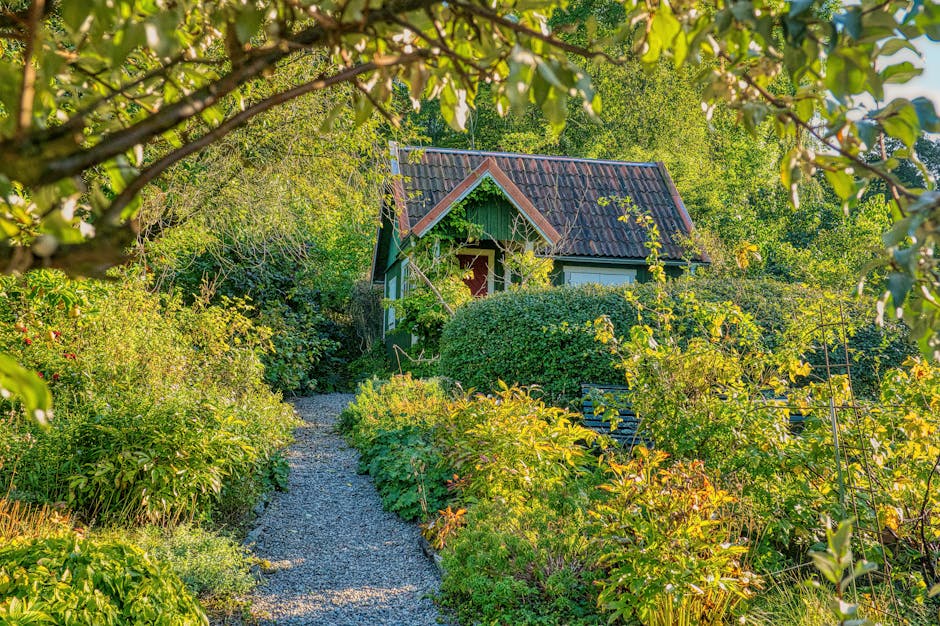
Adelaide Road sits in a part of London where gardens often have to solve more than one problem at once. You may need privacy from neighbouring windows, greenery that copes with shade from surrounding buildings, planting that survives drying winds, and a layout that still feels welcoming after a wet week. That combination is exactly why a localised approach matters. Generic garden advice can sound fine on paper, but it often misses the everyday realities of compact urban plots.
A good Swiss Cottage gardeners guide to Adelaide Road gardens is not really about fancy planting schemes. It is about making sensible choices that suit the site. That means reading light levels properly, choosing the right soil improvements, and thinking through how people move through the space. It also means understanding what you want the garden to do. Is it for quiet morning coffee, for children, for pets, for entertaining, or simply for low-effort greenery you can enjoy from the kitchen window?
One small but important point: many London gardens look "hard to grow in" because they are underfed, overcompacted, or planted with species that dislike the exact conditions they are given. Once you correct that, the whole mood of the space changes. The air feels softer. The garden starts to hold together. Even a narrow strip can become useful.
How Swiss Cottage gardeners guide to Adelaide Road gardens Works
The practical method is straightforward, although the details matter. First, you assess the site honestly. Then you design for the conditions you actually have, not the conditions you wish you had. After that, you build a maintenance rhythm that suits your lifestyle. A garden in this part of London rarely rewards a "do everything later" approach. It is more of a steady, thoughtful process.
In practice, the work usually follows a few core stages:
- Site reading: check sunlight, shade, airflow, drainage, access, and boundary issues.
- Function planning: decide how much of the garden should be for planting, sitting, storage, pets, or play.
- Soil preparation: improve structure with organic matter and sensible drainage fixes where needed.
- Plant selection: choose plants that suit shade, sun, wind, containers, or climbing support.
- Layout and structure: add paths, edging, screens, seating, and hard landscaping where useful.
- Maintenance plan: set a routine for pruning, feeding, mowing, weeding, and seasonal protection.
If you are working with a gardener, this is where clear communication helps. A brief walk-through, a few photos, and some honest answers about your budget and time constraints can save a lot of guesswork later. We have all seen gardens that were designed for a fantasy lifestyle rather than a real one. Nice idea. Not always practical.
For many homes, a combination of professional gardening services in Swiss Cottage and targeted support like patio cleaning in Swiss Cottage creates a cleaner, more usable base before the planting begins. That foundation is often overlooked, but it makes the whole garden feel sharper immediately.
Key Benefits and Practical Advantages
The main benefit of a well-planned Adelaide Road garden is simple: it becomes easier to live with. But there are several layers to that.
- Better use of limited space: compact gardens can feel larger when circulation and planting are planned properly.
- More privacy: layered screening, hedging, and climbers can reduce overlooked areas without making the space feel boxed in.
- Lower maintenance stress: the right plant palette cuts down on constant replacement and rescue work.
- Stronger seasonal interest: the garden can look good in winter, not just for six weeks in summer.
- Improved property feel: a neat, balanced garden lifts the whole home experience, even if you only use it briefly each day.
- More resilience: thoughtful planting and structure help the garden cope better with dry spells, wind, and heavy rain.
There is also a quieter benefit that people notice after a while. The garden becomes mentally easier to ignore in the right way. That sounds odd, but it matters. If a space is well set up, it does not nag at you every time you look out the window. Instead, it sits there doing its job. Calmly. No drama.
For planting structure, many Adelaide Road gardens gain a lot from layering. Ground-level planting, mid-height shrubs, and climbers on the fence or wall create depth without clutter. If privacy is a priority, the ideas in this guide to rapid-growth hedges can be especially useful, while ground cover ideas help reduce bare patches and soften edges.
Who This Is For and When It Makes Sense
This guide is useful if you are any of the following:
- a homeowner trying to improve a tired or overgrown garden
- a landlord wanting a tidy, low-fuss outdoor space
- a tenant hoping to make a courtyard, back garden, or terrace feel more liveable
- a family needing durable planting and safe movement areas
- someone with limited time who wants a reliable maintenance plan
- an enthusiast who wants a smarter design, not just more plants
It also makes sense when the garden has specific issues. For example, if ivy has started creeping into places it should not, the practical advice in how to keep ivy away for good can save you a lot of trouble. If the garden is exposed and blustery, the guidance on mitigating wind in your garden is worth a look too.
And if you are starting from scratch, do not worry about knowing everything. Few people do. A sensible first plan beats a perfect plan that never gets used. Truth be told, some of the best gardens begin with one or two decisive moves rather than a full overhaul.
Step-by-Step Guidance
1. Start with the site, not the shopping list
Before choosing plants or paving, spend time noticing the garden at different points in the day. Morning light may be generous, but afternoon shade could be deep. One end might stay damp while another dries out quickly. This is the kind of detail that saves money later.
2. Decide what the garden must do
Make a short list. Seating? Clothes drying? Child-friendly play? Composting? Privacy? Food growing? Not every garden can do everything well, so rank the needs. That one exercise often clarifies half the design decisions.
3. Improve the soil properly
Urban soils can be compacted, poor in organic matter, or patchy. Add compost, check drainage, and loosen the structure where you can. If you are building healthier beds, the advice in starting composting for your garden and turning organic waste into fertile soil will support long-term improvement.
4. Establish the hard surfaces first
Paths, steps, patios, and edges shape how the garden feels and functions. If the patio is slippery or dirty, the whole space looks older than it is. A clean, well-defined hard landscape gives planting a proper frame. If that is part of your plan, patio cleaning in Swiss Cottage and broader landscaping in Swiss Cottage can help reset the space.
5. Choose plants for purpose, not just appearance
For structure, think hedges, evergreen shrubs, and climbers. For softness, think grasses, perennials, and ground cover. For impact in pots, use seasonal colour and architectural shapes. If you want a smaller footprint with real impact, container gardening is a smart option for narrow or paved spaces.
6. Build privacy and shelter
Privacy is often one of the biggest reasons people look for a local gardener. In a London setting, a good screen can change how you use the garden. You may prefer a hedge, trellis with climbers, or layered planting. For more on screening ideas, see evergreen climbers for shaded spaces and hedge shaping techniques.
7. Put maintenance on a calendar
Gardens do not stay tidy by accident. Set a routine for weeding, deadheading, pruning, mowing, feeding, and seasonal checks. If you would rather hand this over, ongoing garden maintenance in Swiss Cottage or lawn care support can keep the whole thing from sliding backwards.
Expert Tips for Better Results
Here are the small decisions that often make the biggest difference.
- Use repetition: repeating 2 or 3 plant types creates calm in a small garden.
- Think vertical: fences, walls, pergolas, and trellises extend planting space without stealing floor area.
- Do not crowd the centre: keep movement clear so the garden feels more spacious.
- Choose a strong anchor feature: one bench, one tree, or one statement planter can stop the design feeling scattered.
- Keep the edges clean: neat borders make a small garden feel intentional rather than squeezed.
- Mix structure with softness: hard lines need planting to warm them up, otherwise the space can feel a bit stern.
One practical observation: many compact gardens look better with fewer, better-placed plants. It is tempting to fill every gap. But gaps matter. They let the eye rest. They also let you get to the back gate without doing a small obstacle course, which is a bonus on a wet Tuesday.
If you want the garden to feel more relaxing, a simple design shift can help. The principles in designing a tranquil zen garden work well even in modest London spaces: restrained materials, calm repetition, and a clear focal point. For seating areas, the ideas in enhancing your garden seating space can help you make the most of a corner that would otherwise go unused.
Common Mistakes to Avoid
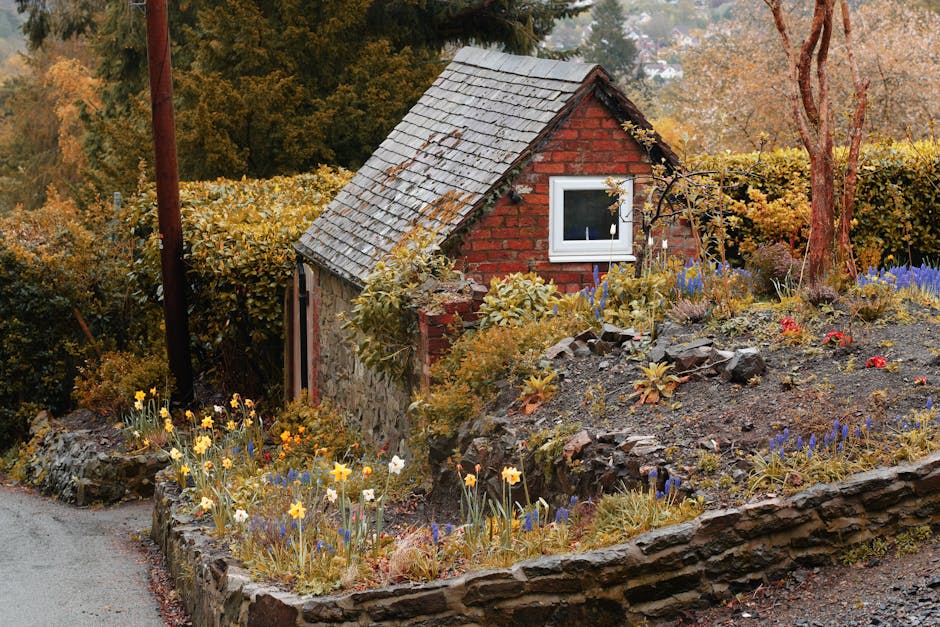
Most garden problems are not dramatic. They are just small decisions repeated over time. A few common ones keep showing up.
- Ignoring drainage: a soggy patch will not sort itself out.
- Choosing thirsty plants for dry spots: this leads to constant stress and patchy growth.
- Overusing gravel or paving: hard surfaces are useful, but too much can make the space feel hot, harsh, and visually flat.
- Planting too close to fences or walls: access for pruning becomes awkward very quickly.
- Forgetting winter structure: a garden that only looks good in June feels unfinished for the rest of the year.
- Letting weeds establish early: once they settle, the job gets much harder. The practical tips in keeping your garden weed-free are worth following from the start.
Another mistake is underestimating how quickly a good-looking design can become messy without trimming and simple upkeep. A hedge left alone for too long, for instance, can steal light and narrow the usable space. That is why many local homeowners use hedge trimming in Swiss Cottage as part of a broader maintenance routine.
And here is one more, slightly annoying truth: people often buy plants because they look healthy in the nursery, then assume they will behave the same way in a shaded city garden. They will not. Wrong conditions, wrong result. It happens a lot.
Tools, Resources and Recommendations
You do not need a shed full of gear, but you do need the right basics. Good tools save time, reduce damage, and make the work feel less like a battle.
- Hand tools: trowel, hand fork, secateurs, pruning saw, and weeding knife
- Maintenance tools: rake, broom, lawnmower, edging tool, watering can or hose
- Soil care: compost, mulch, and slow-release feed where appropriate
- Protection: gloves, sturdy footwear, and eye protection for heavier jobs
- Support structures: canes, trellis, ties, and pots with proper drainage holes
If you are just getting started, the advice in gardening tips for beginners is a practical companion. For more ambitious planting, especially if you want fragrant or edible corners, starting a herb garden can be surprisingly rewarding and not too demanding.
Some gardens also benefit from specialist support rather than more tools. If you have trees that block light, lawns that are thin or patchy, or fencing that no longer gives the privacy you need, targeted services may be more sensible than piecemeal fixes. In that case, look at tree surgery in Swiss Cottage, lawn mowing in Swiss Cottage, or fencing in Swiss Cottage.
Law, Compliance, Standards and Best Practice
For most domestic garden work, the key point is not a long list of legal fine print. It is responsible working practice. If a gardener is pruning trees, using machinery, handling waste, or working near shared boundaries, they should follow sensible safety procedures and act carefully around neighbours, access points, and property lines.
Best practice normally includes:
- checking access before work starts
- using tools safely and appropriately
- protecting surfaces and nearby planting
- disposing of green waste responsibly
- keeping the work area tidy as the job progresses
- being clear about what is included in the agreed scope
For customers, it is also sensible to read a company's insurance and safety information, along with its health and safety policy, terms and conditions, and privacy policy. Those pages are not glamorous, granted, but they tell you a lot about how the service is run. A straightforward supplier is usually a better sign than a vague one.
If you are comparing quotes, it is wise to check what the price includes: labour, waste removal, materials, follow-up visits, and any specialist equipment. You can also review pricing and quotes so expectations are clearer from the start.
Finally, if you ever need to understand how a company handles complaints, payments, cookies, or accessibility, those policies are there for a reason. They are part of a transparent, reliable service. Not exciting, but reassuring.
Options, Methods, and Comparison Table
Different Adelaide Road gardens need different solutions. The right choice depends on space, budget, and how much upkeep you are willing to carry.
| Method | Best for | Main advantage | Watch out for |
|---|---|---|---|
| Dense planting and hedging | Privacy and structure | Creates a layered, sheltered feel | Needs pruning and enough root space |
| Container gardening | Paved areas and small courtyards | Flexible and easy to refresh seasonally | Drying out faster than beds |
| Ground cover planting | Shady or awkward gaps | Reduces bare soil and weeds | Some types spread aggressively |
| Climbers and vertical planting | Boundary walls and fences | Uses height without taking floor space | Needs strong support and regular training |
| Low-maintenance redesign | Busy households | Reduces future workload | Requires honest initial planning |
If your priority is minimum upkeep, the approach in low-cost ideas for the low-upkeep garden is especially relevant. If the garden is mostly vertical space and boundaries, then vertical gardening may be the smartest route. Different tools, different goals. That is the honest answer.
Case Study or Real-World Example
Consider a typical compact garden near Adelaide Road: narrow access, a shaded rear corner, patchy lawn, and a fence line that feels a little bare. The owner wants somewhere to sit, a bit more privacy, and less routine maintenance. Nothing extravagant. Just better.
The first move is often not planting, but simplification. Overgrown edges are cut back, the patio is cleaned, and the existing layout is assessed. Then the main structure is clarified: one seating area, one planting run along the fence, and one low-maintenance transition zone near the house. A mixed boundary might include evergreen climbers, a few resilient shrubs, and ground cover to soften the base.
Once that is in place, the garden starts to make sense. The seating feels more enclosed. The fence no longer looks like a blank line. The eye moves from one layer to the next instead of stopping abruptly. Even a small space can suddenly feel like a place you want to spend ten minutes in with a mug of tea. That is usually the real test, isn't it?
In a few cases, a small dog or active family changes the brief. Then the design may need more durable surfaces, tougher plants, and clearer boundaries between play and planting. If that sounds familiar, the ideas in designing an outdoor oasis fit for dogs and plants are a good fit, and the child-focused planning in a childcentric garden experience can help shape safer, more resilient spaces.
Practical Checklist
Use this checklist before you begin, or before you book work in.
- Have you identified the garden's main purpose?
- Do you know which areas get sun, shade, and wind?
- Have you checked whether drainage is a problem anywhere?
- Are your current plants suited to the site?
- Do you need privacy, screening, or better boundaries?
- Is the patio, path, or lawn part of the issue?
- Have you allowed space for maintenance access?
- Do you want a low-maintenance or high-interest scheme?
- Have you planned for winter interest as well as summer colour?
- Do you know what you will handle yourself and what you would rather outsource?
- Have you reviewed pricing, safety, and terms before committing?
A quick check like this stops a lot of avoidable regret. It also makes it easier to brief a gardener clearly, which usually leads to a better result. Simple, really.
Conclusion
The best Swiss Cottage gardeners guide to Adelaide Road gardens is not about forcing a big idea into a small space. It is about matching the design to the real conditions, making the most of light and structure, and building a garden that feels calm rather than demanding. With the right sequence of planning, planting, and upkeep, even a modest London garden can become private, attractive, and genuinely useful.
Whether you are dealing with shade, wind, tired lawn, awkward boundaries, or a layout that never quite worked, the answer is usually a blend of practical adjustments and steady care. Start with the basics, improve the structure, and choose plants that are happy where they are. The rest tends to follow. Slowly at first, then all at once, in the nicest possible way.
If you are ready to turn a tricky outdoor space into something easier to enjoy, now is a sensible time to take the next step.
Get a free quote today and see how much you can save.

Jackie's proficiency as a professional gardener stems from her organizational aptitude and meticulous attention to detail. As an author, her expertise has played a pivotal role in helping many individuals appreciate their stunning gardens.
